Contents
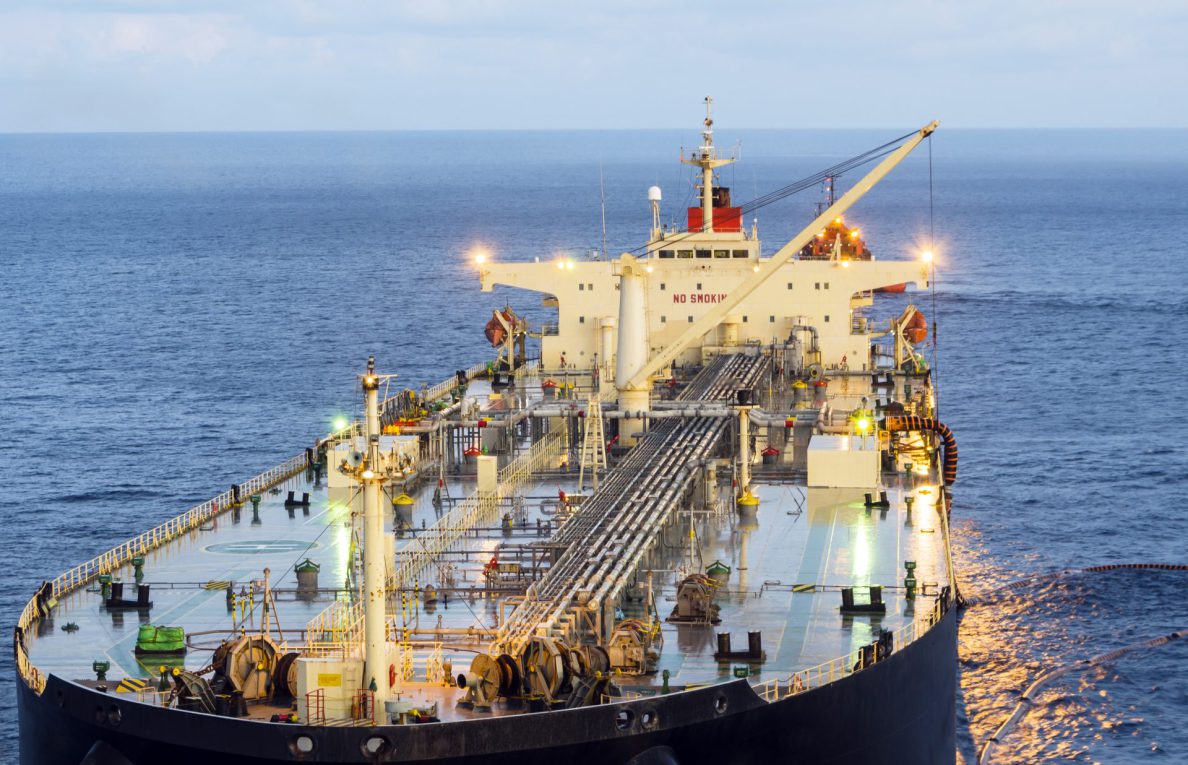
VLCCs on fire
The VLCC market has reawakened with force. Benchmark TD3C earnings have surged to above $200,000/day, a level not seen since May 2020. The scale and speed of the move has upended market expectations. The move is not simply a function of rising cargo volumes; it reflects tightening tonnage availability, expanding tonne-mile demand, concentrated ownership, and an increasingly fragile geopolitical backdrop.
The rally is first rooted in fundamentals. OPEC+’s decision last year to begin unwinding crude production cuts pushed regional crude exports to nearly 17 mbd in Q4 2025, an increase of about 1.3 mbd from Q1. Several additional factors also contributed at the time, including the seasonal drop in direct crude burn, extensive refinery maintenance, outages at Al Zour, strong West to East crude flows driven by wide arbitrage opportunities, and, as always, a significant geopolitical backdrop. Although export volumes dipped in January and OPEC+ opted to pause further production increases this quarter, preliminary AIS data for February shows that export levels have climbed back close to their highest point since April 2023, only slightly below the volumes recorded in November 2025, supported in part by additional regional turnarounds.
Simultaneously, Asian refiners’ ongoing efforts to diversify crude intake have further supported the market. India’s continued pivot away from Russian barrels is particularly notable. Replacement barrels from the Atlantic Basin, including renewed Venezuelan exports are increasingly supplementing Middle Eastern grades, favouring VLCC liftings and driving up the tonne miles of mainstream vessels.
As cargo volumes have provided the base, fleet dynamics have served as the accelerant. The market received an additional jolt from a wave of vessel acquisition since the start of 2026. With only a handful of active buyers and transactions increasingly concentrated, VLCC ownership is becoming more consolidated. Any minor tactical withholding of vessels can amplify tightness. This impact is visible not only in the spot market, but also in time charter and secondhand values, both of which have strengthened significantly. Moving forward, the narrative may be less about cargo count but more about bargaining power.
Geopolitics have added a further layer of momentum. Ongoing US-Iran nuclear negotiations, the massive US military buildup in the region, increasingly direct and forceful policy enforcement by the Trump administration, and Iran’s brief live‑fire drills in the Strait of Hormuz earlier this month are collectively injecting significant geopolitical uncertainty into markets and adding a risk‑related premium to rates for voyages originating from the Middle East Gulf.
Looking ahead, the supportive pillars remain largely intact in the short term. On the supply side, Middle East refinery turnarounds extending into second quarter will continue releasing barrels into the export market. Furthermore, OPEC+ reportedly is planning to resume the unwinding of output cuts in April, which could further boost regional export volumes. Crude diversifying efforts will continue as geopolitical risks evolve, keeping interest in long-haul VLCC demand elevated.
Still, there could be clouds on the horizon beyond the immediate future. In the Atlantic Basin, US Gulf export availability is expected to begin declining from March as US refining runs increase, with any production slowdown adding further downward pressure. A similar pattern is likely in the Middle East: as the turnaround season winds down in late spring, more crude will be redirected from export markets into domestic refining, while rising temperatures lift direct crude burn, further tightening export availability.
On the demand side, risks are also emerging. While Chinese spring maintenance volumes in the first half of 2026 are reportedly at historically low levels, the overhang of refined products and high crude prices could temper the import demand. Further, if VLCC rates sustain at current extremes, it could begin to erode refining margins and weigh on refiner intakes more broadly. Additionally, elevated freight would also compress the Atlantic-to-Asia crude arbitrage, capping the demand for long-haul barrels.
The current strength in the VLCC market has provided a natural tailwind for smaller crude carriers. That support, however, may prove temporary. As we move into spring, European refinery maintenance will curb regional crude intake, whilst weather related disruptions in the Western Hemisphere will also ease. Suezmax rates could come under pressure, becoming more competitive on a $/t basis and gradually eating into VLCC demand.
Overall, fundamentals suggest softer market conditions a few months from now, but as always geopolitics remain the largest source of uncertainty, with the US/Iran nuclear negotiations currently the biggest wild card. Policy shifts, sanctions enforcement, changes in export strategy and broader trade disruptions here can quickly override the underlying supply/demand expectations.
VLCC TCEs ($/day)
Crude Oil
East
The VLCC market in the AG maintained a firm upward trajectory this week, driven by tightening tonnage availability and sustained charterer activity as the second decade window came into focus. A notable number of ships exited the list as charterers discreetly covered stems in an effort not to add further fuel to the fire; however, that proved difficult as freight levels pushed higher on almost every fixture, with WS200 firmly in owners’ sights. As the week progressed, the pace of visible enquiry slowed, but charterers were still on the hunt for tonnage against a backdrop of a lack of ships on the water. Sentiment remains unequivocally firm, and the question is where this will ultimately end, with the third decade of March still to be worked. Owners looking to fix next week will be hoping the pace continues. Today we are calling AG/China at WS225.
The Suezmax market in the AG erupted this week as multiple bullish drivers aligned simultaneously. A sharply firmer VLCC environment set the tone early, reducing natural tonnage flow and limiting ballasters into the Suezmax sector. This tightening of available supply coincided with a sustained flow of both long-haul Eastbound and shorter-haul regional enquiry, creating a highly competitive fixing environment. Replacement business has played a significant role in accelerating the upward momentum, removing additional units from an already tightening list and forcing charterers into increasingly aggressive positions. The pace of fixing has left little opportunity for tonnage to accumulate, and owners have been able to steadily push rates higher in successive fixtures.
Aframax sentiment in the AG continues to strengthen, supported by the strong performance of both VLCCs and Suezmaxes. As a result, TD8 has recorded notable upticks through the week. That said, sustaining the current bullish momentum will likely require additional demand at these firmer freight levels. In the Indo market, activity has remained quiet yet steady, with indices still printing in positive territory. A Thai run is reportedly concluding above last-done levels, and availability for vessels opening in the first decade of March remains thin. The position list begins to open up for the next fixing window and we expect charterers to work through it more privately. We assess TD14 holding steady in the WS190–192.5 range.
West Africa
The West Africa VLCC market saw a week characterised by subdued visible activity but steady underlying enquiry. While much of the fixing interest remained under the radar, questions continued to circulate throughout the week. The tonnage list stayed tight, with a lack of ballasters as the strengthening Arabian Gulf market continued to pull units away. Freight rates edged higher in line with surrounding regions, and this was then reinforced by a firming Suezmax market. Looking ahead to next week, the hope will be to see some flow return to the region, but with freight extremely firm and little sign of easing, charterers may look to use own tonnage or simply stay away from moving where possible. Today we are calling WAF/East at WS187.5.
All eyes were firmly fixed on the VLCC market at the start of the week, where rates surged at an aggressive pace and quickly reset market expectations. Suezmax owners positioned themselves strategically in anticipation of the inevitable spillover of enquiry and the anticipated cascade materialised sooner rather than later. A steady and expanding flow of enquiry out of West Africa, covering both Atlantic and Eastbound discharge options, rapidly absorbed the pool of prompt and forward tonnage. The market was further energised by a wave of cargoes from the US Gulf and Guyana, reinforcing an already bullish sentiment and pushing rates into genuinely unchartered territory. With vessel availability tightening and charterers increasingly forced to compete for remaining positions, the balance of power has shifted decisively in favour of owners. There are currently few indications that momentum will stall, and the underlying fundamentals suggest the market is well positioned to extend gains into next week.
Mediterranean
The once predictable WS200 benchmark for Suezmax CPC liftings quickly became a distant memory this week. Against the backdrop of sharply strengthening surrounding regions, it was only a matter of time before the CPC market ignited and when it did, the move was both swift and decisive. Levels pushed into the WS230 region, with owners maintaining a firm grip on negotiations as workable tonnage lists thinned considerably. Charterers have increasingly been forced into forward fixing strategies simply to secure coverage, a clear indication of the tightening supply dynamic. With little prompt relief in sight and cross-basin support remaining strong, the Mediterranean market continues to trade with a distinctly bullish tone.
In the Mediterranean Aframax market, charterers have enjoyed a more favourable spell for the first time in a number of weeks, particularly into the latter stages, as availability opening up has made a telling impact. Weather delays have subsided, stems have been kicked back, and a lack of traded volume has combined to increase choice for charterers. Despite ballasters leaving for the US and surrounding markets remaining firm, negative pressure has seen XMED soften to WS217.5 at the time of writing, with a floor yet to be found.
US Gulf/Latin America
The Americas VLCC market saw a steady flow of enquiry through the week, with sentiment and freight levels firming, although a step-up in rates was required to narrow the spread in earnings. This was eventually achieved, with $18.0m reported on subs for a USG/East voyage. A couple of cargoes remain outstanding, but fixing has been complicated by a tight tonnage list due to a lack of eastern ballasters and owners showing resistance to repeat last-done levels. Today we are calling USG/China at $18.0m.
North Sea
In the North, Aframaxes have seen little ebb and flow this week, with few bread-and-butter cargoes reaching those in position. Most units with a taste for the West have started to make their way across the pond, where round-trip returns look more attractive than waiting time for short local cargoes. Even so, the list remains broadly balanced, and those needing cover for trickier runs involving ice or STS continue to pay premiums. XNSEA sits stable at WS195. We are unlikely to have seen the last of the exodus: optimism remains in the US market and, with the neighbouring Med under pressure, the southern draw has lost some of its appeal.
Crude Tanker Spot Rates (WS)
Clean Products
East
LR2s have provided plenty of excitement this week, as enquiry pushed rates and applied pressure on a tight list. Owners’ confidence rose sharply on talk of AG/UKC reaching $5.0m, but towards the eleventh hour a couple of ships were released and momentum appeared to ease into the weekend. That said, the list remains tight and there are still stems to be covered; TC1 is on subs today at a sizeable 75,000mt x WS225, underlining that this market is still pushing.
LR1s have ticked along more quietly, only rearing their head midweek with a flurry of cargoes. Even so, that was enough to generate a strong positive correction, with TC5 on subs at 55,000mt x WS220 and West on subs at $3.5m (via BEM). With these stems largely covered and little outstanding, sentiment remains firm and owners will be keenly awaiting the appearance of second-decade business.
AG MRs have enjoyed a strong week, with TC17 climbing from WS220 to WS270 as a steady cargo flow and a tightening tonnage list shifted control firmly to owners. Prompt replacement activity and sustained enquiry quickly reduced front-end availability, with the ballast list reportedly falling into single figures by week’s end. With the natural window now tight, owners have been able to push rates progressively higher, while some have held back from offering in anticipation of further gains. With stems continuing to emerge into mid-March and supply remaining limited, sentiment stays positive and further upside remains possible.
UK Continent
UKC MRs have seen compressed end-month demand, with February’s shorter calendar bringing the last decade to life. Shorthaul activity has been healthy, in part because 52,000 cbm ships have been pricing more competitively than Handies, although 37,000mt x WS215 is now on subs cross-UKC, putting Handies back in favour. Transatlantic remains very much in backhaul territory, with 37,000mt x WS125 concluded multiple times, though this is increasingly viewed as a positioning play rather than a lead indicator, as owners assess the run based on least waiting time and the most economical route into the brighter lights of the USG. WAF has seen some enquiry, with 37,000mt x WS210 confirmed ex-Immingham. Argentina and Brazil routes have traded quietly in the background, with rates generally easing in line with WAF, aside from South Brazil which continues to command around a 10-point premium. Overall mood remains buoyant and owners will be hoping this carries into March.
UKC Handies have remained buoyant on a limited tonnage list and a steady flow of XUKC questions, with 30,000mt x WS255 the call for most of the week. With ice appearing in regions not typically associated with it, including Scandinavia, those needing to keep product moving have leaned on the Handy market, adding incremental voyages to the mix. Combined with MRs now picking up over the Handy equivalent, the gap leaves scope for further growth in rates, and we expect this momentum to continue into next week.
Med
Mediterranean MRs have similarly corrected downwards this week. A healthy list at the week’s open, plus a wealth of projected laden tonnage due to open in the Med, left charterers under little pressure. While a modest pick-up in activity midweek reduced well-approved options, demand slumps meant this had limited impact. WS127.5 and WS135 are on subs for Med/TA (the latter on a grade-sensitive stem), suggesting next done around 37,000mt x WS130. With TC14 still rate-positive, we expect Med/TA to continue to play second fiddle for now, similarly to TC2. Med/WAF and Med/UKC for 37kt continue to pay over the usual differential given limited backhaul options on offer; eyes remain on how much impact Dangote returning online could have on Med/WAF rates.
Mediterranean Handies have also seen a gradual correction despite a fairly active week. The weekend restock suited charterers’ ambitions and, with good weather limiting delays, owners had less leverage when end/early-month enquiry emerged. The market traded sideways around WS190 for a few days and now shows a WS185 to WS192.5 spread on subs cross-Med, with the upper end tied to an age-restricted/cabotage stem. Charterers’ slower rate of play has avoided any panic around a tightening list and allowed them to maintain a degree of control. Eyes will be on how the list shapes up come Monday to see whether charterers can continue to hold the upper hand.
Clean Tanker Spot Rates (WS)
Dirty Products
Handy
The North started the week with a general lack of availability at the top of the list, with last-done levels sitting at WS297.5. Monday saw little action before enquiry slowly entered the market from Tuesday onwards. The few naturally placed units were quickly clipped away before tonnage down in Wmed began to be called upon. Rates were reported at WS305 for runs to the Med, signalling XUKC levels at WS310. One deal caught the eye, fixed at a touch under at WS307.5 for XUKC before a quieter end to the week. We expect to see a continued lack of naturally placed tonnage and owners are looking toward the WS315 mark early into next week.
Down in the Mediterranean, things started slowly, with a quiet Monday and Tuesday against the backdrop of a longer list with prompt availability to choose from. Levels were tested down to WS310 for an EMED loader, with additional cargoes coming out later, chipping away at the list and creating a steadier feel. Despite this, WS307.5 was tested. It remains to be seen whether these rates will be repeated, but most owners call XMED around WS315 as we head into next week.
MR
It’s been another quiet week for this sector basis full-stem enquiry, with employment opportunities coming by way of Handy stems and part cargoes. Both the North and the Med need fresh and well-publicised tests to determine true levels, with 45 x WS210-215 expected in the North on next done and 45 x WS240 expected in the Med. With supply remaining tight across both regions, firm sentiment prevails for the time being.
Panamax
Over in the USG and the Caribs, we have seen levels continue their downward trend, mainly caused by drying up of enquiry rather than any fundamental change to availability, which on the whole remains generally tight. Levels have fallen from WS350 at the start of the week down to the WS330 mark as TD21 prints at WS329.17. On Friday, UKC/TA enquiry remains, but supply is scarce for now. Theoretical ideas hold at the WS165-175 mark, but a fresh test is needed to determine true rates.
Dirty Product Tanker Spot Rates (WS)
Rates & Bunkers
Clean and Dirty Tanker Spot Market Developments – Spot WS and $/day TCE (a)
| wk on wk change | Feb 26th | Feb 19th | Last Month* | FFA Q1 | |
| TD3C VLCC AG-China WS | 54 | 217 | 163 | 127 | 158 |
| TD3C VLCC AG-China TCE $/day | 62,000 | 220,750 | 158,750 | 118,500 | 147,250 |
| TD20 Suezmax WAF-UKC WS | 48 | 211 | 164 | 150 | 178 |
| TD20 Suezmax WAF-UKC TCE $/day | 30,250 | 109,500 | 79,250 | 71,000 | 82,750 |
| TD25 Aframax USG-UKC WS | 9 | 294 | 285 | 281 | 283 |
| TD25 Aframax USG-UKC TCE $/day | 3,250 | 86,000 | 82,750 | 81,750 | 77,000 |
| TC1 LR2 AG-Japan WS | 31 | 197 | 166 | 203 | |
| TC1 LR2 AG-Japan TCE $/day | 10,500 | 48,750 | 38,250 | 52,000 | |
| TC18 MR USG-Brazil WS | 12 | 303 | 291 | 188 | 238 |
| TC18 MR USG-Brazil TCE $/day | 2,000 | 42,000 | 40,000 | 22,000 | 28,250 |
| TC5 LR1 AG-Japan WS | 32 | 216 | 183 | 212 | 216 |
| TC5 LR1 AG-Japan TCE $/day | 7,750 | 38,000 | 30,250 | 38,500 | 36,000 |
| TC7 MR Singapore-EC Aus WS | 14 | 232 | 218 | 253 | 224 |
| TC7 MR Singapore-EC Aus TCE $/day | 2,250 | 26,250 | 24,000 | 31,000 | 24,000 |
(a) based on round voyage economics at ‘market’ speed, eco, non-scrubber basis
Bunker Prices ($/tonne)
| wk on wk change | Feb 26th | Feb 19th | Last Month* | |
| Rotterdam VLSFO | -5 | 477 | 481 | 446 |
| Fujairah VLSFO | +5 | 509 | 504 | 472 |
| Singapore VLSFO | +1 | 514 | 513 | 489 |
| Rotterdam LSMGO | -4 | 716 | 720 | 696 |