arrow-circle arrow-down-basicarrow-down arrow-left-small arrow-left arrow-right-small arrow-right arrow-up arrow closefacebooklinkedinquote searchtwittervideo-icon

Dry Cargo

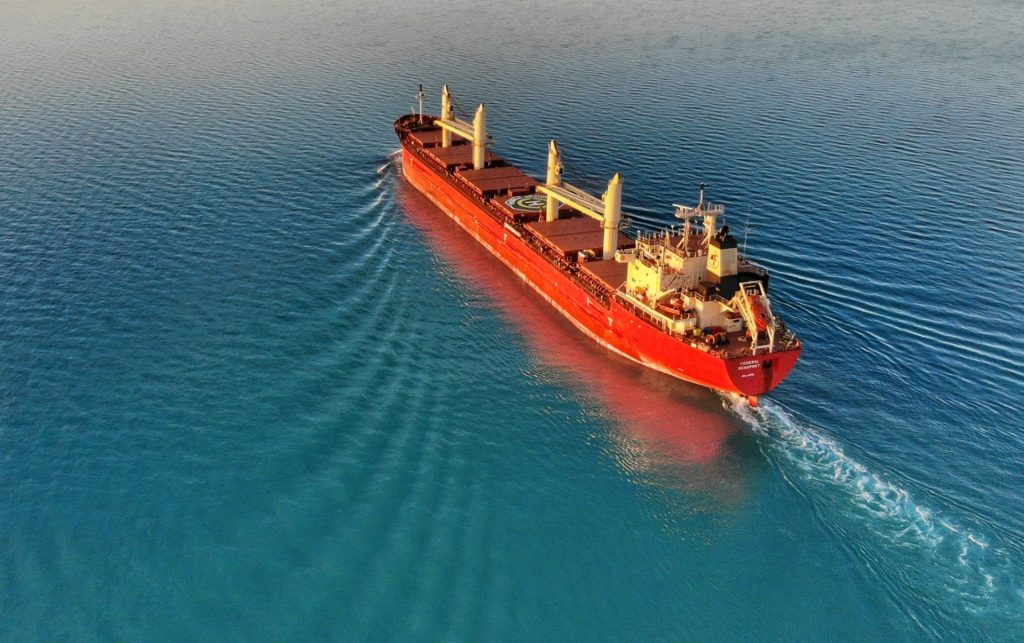
An experienced team specialising in the Capesize market, our dry cargo brokers operate from key hubs in London, Dubai, Singapore, and Hong Kong. We extend our services to smaller deadweight markets based on our clients’ needs. Backed by robust research capabilities, our goal is to offer informed advice and assistance, guiding clients through the intricacies of the challenging and highly volatile freight markets.
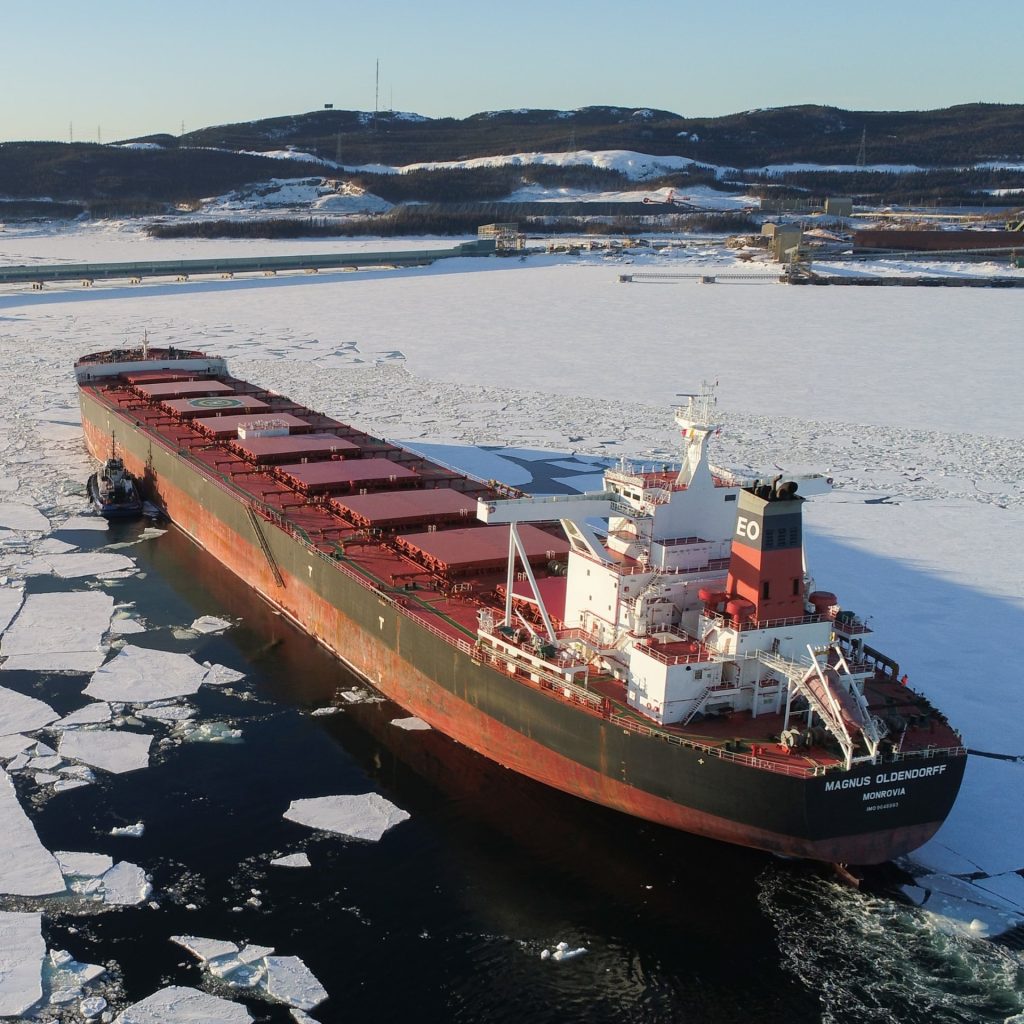
Our goal is to offer more than just brokerage services; we aim to provide informed advice and assistance that guides clients through the intricacies of today’s challenging and highly volatile freight markets.
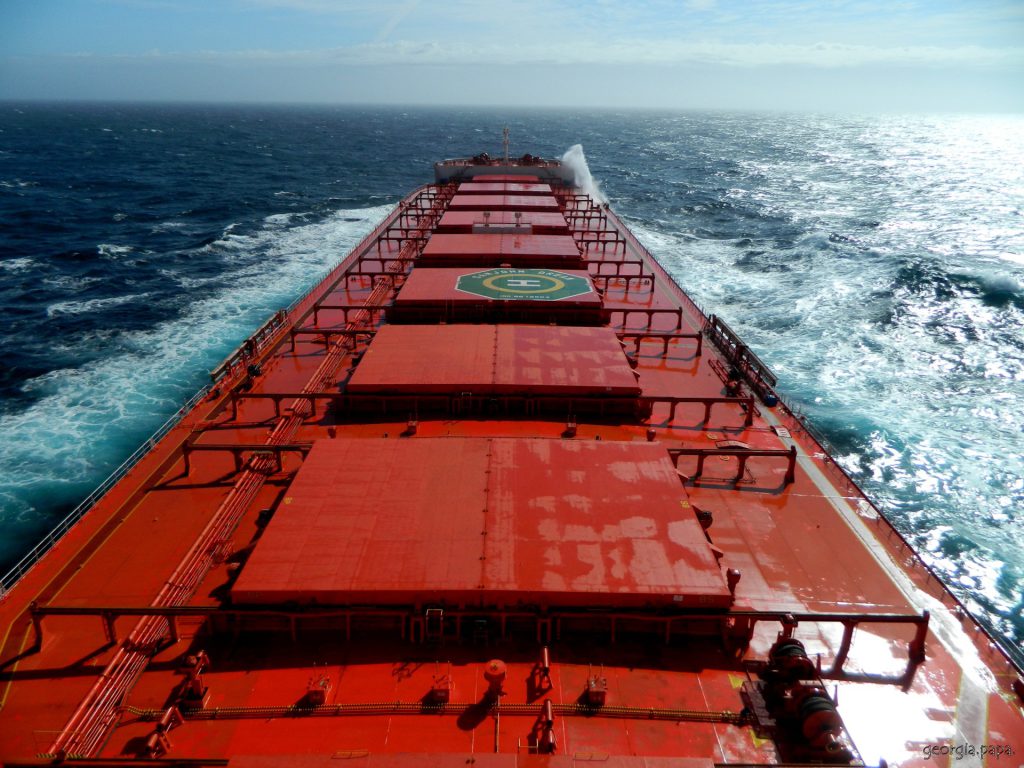
Dry Cargo in numbers

1600+

Capesize and Newcastlemax bulk carriers in operation

1.2b

Tonnes Chinese Iron Ore imports in 2024

Dry Cargo Team

Adelene Low

Adelene Low

Dry Cargo Operator

Department: Dry Cargo Capesize Ops
Location: Singapore
Bernard Zhang

Bernard Zhang

Trainee Broker

Department: Dry Cargo
Location: Hong Kong
Carl Palmer

Carl Palmer

Broker

Department: Dry Cargo Capesize
Location: Australia
Edward Calbom

Edward Calbom

Broker

Department: Dry Cargo Capesize
Location: Dubai
James Stewart

James Stewart

Sectional Director

Department: Dry Cargo Capesize
Location: Singapore
Jeremy Abbott

Jeremy Abbott

Research / Broker

Department: Dry Cargo Capesize
Location: London
Nicholas Ward

Nicholas Ward

Director

Department: Dry Cargo Capesize
Location: Singapore
Samuel Tay

Samuel Tay

Broker

Department: Dry Cargo Capesize
Location: Singapore
Shengming Zhang

Shengming Zhang

Broker

Department: Dry Cargo Capesize
Location: Hong Kong
Stuart Mitchley

Stuart Mitchley

Broker

Department: Dry Cargo Capesize
Location: London

Discover more weekly reports

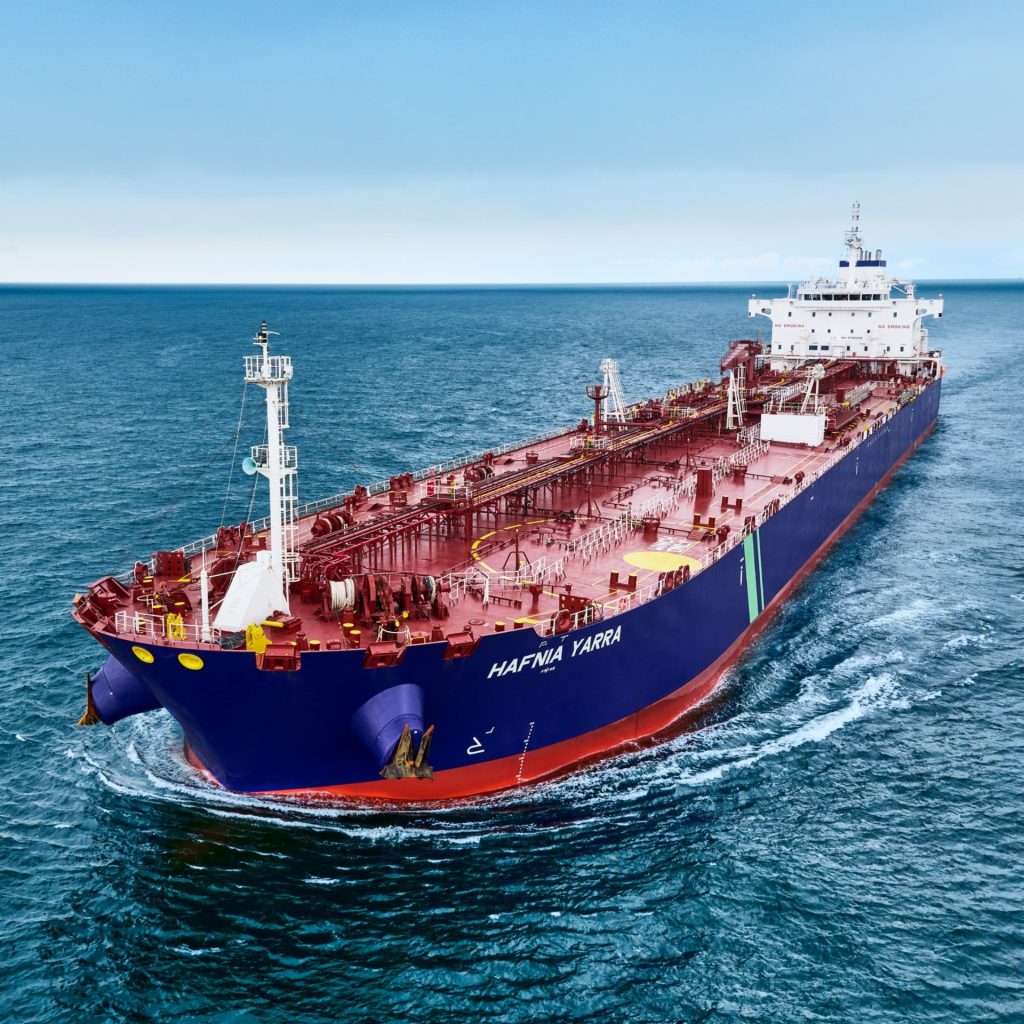
Tanker Market Report 23.01.26

Clean Barrels

In the summer of last year, the EU published its 18th sanctions package, announcing a ban on imports of all products refined from Russian crude, which finally came into effect this week. Initially, the legislation appeared to suggest a blanket ban on imports from refineries which process Russian crude oil. However, further clarification under the 19th sanctions package confirmed that if a refinery can fully segregate the refining of Russian crude from non-Russian sources, then import from the non-Russian supplied part of the refinery can be allowed. Otherwise, if Russian crude oil cannot be segregated and processed separately by the refinery, but evidence is provided by the third party that no Russian crude has been received or processed in the ‘production line’ over the past 60 days prior to the bill of lading date of the cargo at issue, import into the EU is allowed. Further, net exporters of crude, such as the major Middle East producers, are exempt from the EU restrictions.

View report

Find a Broker

Whether it’s tankers, clean products or specialised cargo, find a trusted broker in navigating the seas of global trade, and get access to a connected team of seasoned shipping professionals, operational excellence and unmatched strategic guidance.